Affirmations for Panic Attacks to Calm Your Body Now
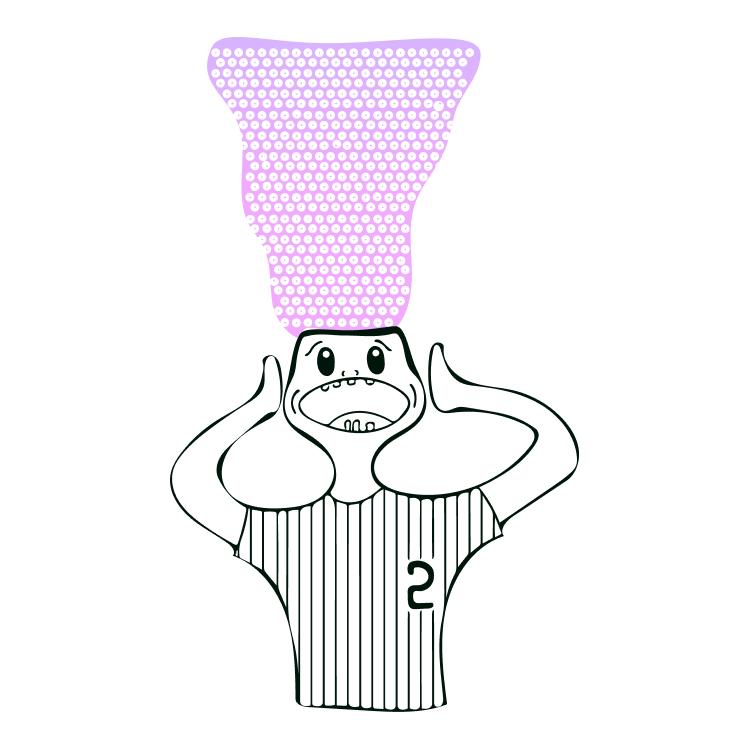
During a panic attack, use short, believable safety statements such as “I am safe right now, this will pass” and pair them with a slower exhale. The goal is not to argue yourself out of panic or force calm. It is to give your body one small, credible cue of safety while the wave rises and falls. If panic attacks are frequent, worsening, or changing your life, affirmations can support treatment but cannot replace it.
When panic hits, the most useful affirmations are short, body-based, and believable enough to say without arguing with yourself. Try: “I am safe right now. This will pass. I can take one slow breath.” Pair the words with a longer exhale, not with pressure to feel instantly calm.
We built Vylo around a simple reality: an affirmation is not helpful just because it sounds positive. In a panic spike, “I am completely calm” can feel so far from your experience that your mind rejects it. A more useful starting point is a statement you can meet halfway, such as “My body is alarmed, and I can help it settle one breath at a time.”
What affirmations help during a panic attack?
The best affirmations for panic attacks remind you of the present moment, name the temporary nature of the feeling, and invite one small physical action. Keep them brief enough to repeat when your thoughts are racing.
Choose one or two phrases before you need them. Reading a long list during a spike can become another task your overwhelmed brain has to manage.
- I am safe right now, and this feeling will pass.
- This is panic. It feels intense, but it is a wave.
- My body is sounding an alarm. I can respond gently.
- I do not have to solve everything in this moment.
- I can let this breath leave slowly.
- My feet are on the floor. I am here.
- I can make room for this feeling without following its story.
- One minute at a time is enough.
- I am learning how to support my nervous system.
- I have felt scared before, and I can take the next small step.
If you already know you are experiencing a familiar panic attack, “I am safe right now” may be grounding. If symptoms are new, unusually severe, or different from your usual panic, do not assume they are panic. Chest pain, fainting, severe trouble breathing, or other concerning symptoms deserve urgent medical assessment.
For more phrases focused on the first few minutes of a spike, save our grounding affirmations for a panic moment somewhere easy to reach.
Why should panic affirmations feel believable?
Believable affirmations are more likely to soothe than statements that feel obviously untrue. During panic, aim for a gentle bridge between what you feel now and what you want to practice.
This matters because panic often comes with a sharp internal argument: “Something is terribly wrong,” followed by “No, I should be fine.” A grand statement such as “Nothing can hurt me” may add to that struggle. A process-based phrase gives you more room: “I am noticing fear, and I am checking what I need right now.”
There is research behind being careful with overly positive self-talk. In a 2009 study, people with low self-esteem sometimes felt worse after repeating very positive self-statements, rather than better. The authors suggested that a statement can backfire when it clashes too strongly with how a person sees themselves. You can read the primary study by Wood, Perunovic, and Lee at doi:10.1111/j.1467-9280.2009.02370.x.
That does not mean affirmations are useless. It means the wording matters. Instead of “I am always in control,” try “I can take one supportive action while I feel out of control.” Instead of “My anxiety is gone,” try “I am practicing staying with this moment.”
At Vylo, we think of this as the latitude of acceptance. Your phrase should sit close enough to your current reality that your nervous system does not have to fight it. In a panic attack, simple and credible beats impressive every time.
How do you use affirmations to calm your nervous system?
Pair a short phrase with a physical cue of safety, especially a slow, unforced exhale. You are not trying to breathe perfectly or make panic disappear on command. You are giving your body a steady rhythm to follow.
Try this practical sequence when you notice panic building. If counting your breath makes you more anxious, skip the numbers and simply let the out-breath be a little longer than the in-breath.
A 90-second Vylo panic reset
- Orient: Put both feet on the floor, or press your hand gently against a solid surface. Say, “I am here, in this room, right now.”
- Exhale: Breathe in comfortably. Let the exhale leave slowly, as if you are cooling hot tea. Say, “I can let this breath go.”
- Name: On the next breath, say, “This is a panic wave. It will move.” Naming it can create a little distance from the catastrophe story.
- Narrow the task: Look for one neutral object, such as a door handle, a mug, or a patch of light. Say, “I only need to be with this next moment.”
- Repeat: Repeat the same phrase for about a minute. Do not keep changing it in search of the perfect words.
This is a concrete exercise we return to when designing affirmation reminders. The point is not to turn panic into a productivity project. It is to reduce the number of decisions you have to make when your body is on high alert.
If breath-focused exercises make you dizzy, panicky, or more aware of uncomfortable sensations, use an external grounding cue instead. Hold something cool, describe five things you can see, or walk slowly while repeating, “I am taking this one step at a time.”
What are calming affirmations for anxiety attacks outside the moment?
Between panic episodes, calming affirmations can help you practice a kinder response to early anxiety signals. Use them when you are relatively settled, so the words become familiar before you need them most.
Think of this as rehearsal, not a guarantee that panic will never happen. A daily practice may make it easier to remember your chosen phrase under stress, but it does not erase the causes of panic or replace skills learned in therapy.
- I am learning to notice anxiety before it becomes overwhelming.
- I can care for my nervous system in small, steady ways.
- I do not need certainty to take care of myself.
- I can pause before I believe every anxious thought.
- Rest, food, water, and support are valid needs.
- I am allowed to ask for help before I reach my limit.
- I can be scared and still choose a gentle next step.
- My progress can be uneven and still be real.
Try attaching one phrase to an existing habit. For example, while waiting for the kettle to boil, place a hand on your chest or belly and repeat, “I can care for my nervous system today.” The small routine matters more than saying it dozens of times.
You may also find it useful to build a wider set of believable affirmations for anxiety for stressful mornings, social situations, or winding down at night.
When are affirmations not enough for panic attacks?
Affirmations can be a supportive coping tool, but they are not a treatment for panic disorder, trauma, depression, or a medical condition. If panic attacks keep returning, lead you to avoid work, travel, sleep, exercise, or people, it is worth speaking with a licensed mental health professional or healthcare clinician.
Effective support can include assessment for physical causes, therapy approaches such as cognitive behavioral therapy, exposure-based work when appropriate, and a discussion of medication options with a qualified prescriber. You do not have to wait until symptoms become unbearable to ask for help.
Be especially gentle if you have very low self-esteem or find affirmations make you feel fake, ashamed, or more agitated. Switch to neutral grounding language: “I am noticing a hard moment,” “My next breath is available,” or “I can contact someone I trust.” There is no prize for forcing a phrase that does not help.
If panic comes with hopelessness, thoughts of harming yourself, or feeling unable to stay safe, seek immediate support. In the United States and Canada, call or text 988 for crisis support. Elsewhere, contact your local emergency number or crisis service. If you believe you may be in immediate danger, call emergency services now.
FAQ: affirmations for panic attacks
These answers can help you use affirmations with realistic expectations and a little more self-compassion.
What is the best affirmation for a panic attack?
Can affirmations stop a panic attack?
Why do positive affirmations sometimes make anxiety worse?
Should I focus on my breathing during a panic attack?
When should I get help for panic attacks?
Bring affirmations into your day
Vylo delivers personalized daily affirmations built around your goals. Free on iPhone.